info@bdeinc.com
 866.262.6233
Posted On: July 23, 2026
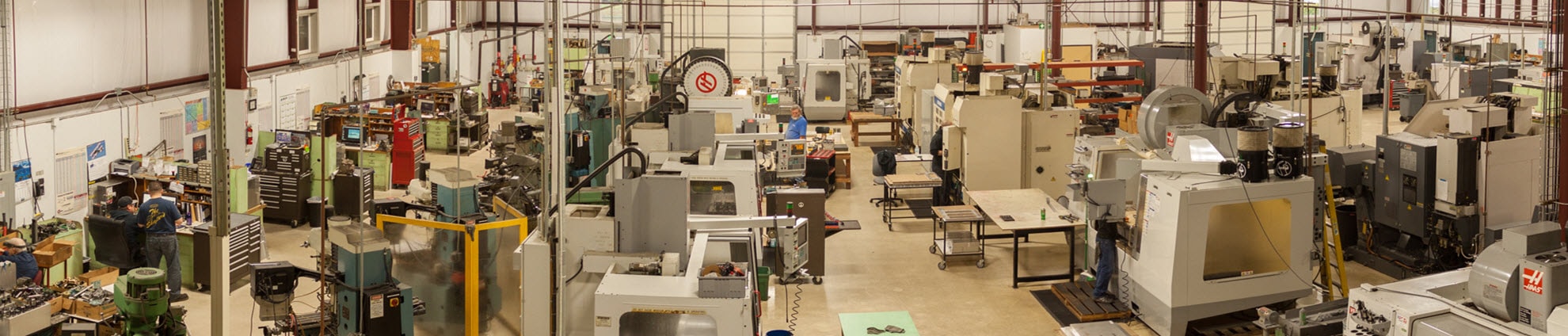
The demand for implantable medical devices continues to grow across orthopedic, spinal, dental, cardiovascular, and other healthcare applications. As implant technologies become more advanced, manufacturers face increasing pressure to produce components that meet stringent requirements for precision, durability, and long-term performance. Achieving these requirements depends not only on product design but also on the manufacturing processes used to produce implant components. Medical CNC machining plays a key role in implant production by manufacturing highly precise, repeatable, and complex medical components while meeting stringent quality and regulatory requirements. This post examines the role of CNC machining for medical devices, including the manufacturing requirements, materials, quality considerations, and machining capabilities that support implant production.
Why Implant Manufacturing Requires Specialized Medical Machining
Implant manufacturing demands specialized medical machining to meet strict requirements for dimensional accuracy, material performance, and product quality. Key considerations include:
- Precision-Critical Designs: Implant dimensions often influence how a device interfaces with surrounding anatomy or mating components. Manufacturers must consistently achieve specified dimensions and geometric features to support intended device performance.
- Complex Geometries: Many implants incorporate contoured surfaces, intricate profiles, threads, fixation features, and other complex design elements. Producing these features often requires advanced machining capabilities and carefully controlled manufacturing processes.
- Biocompatible Material Requirements: Implant manufacturers commonly use materials such as titanium alloys, cobalt-chrome alloys, medical-grade stainless steel, and advanced polymers. These materials offer desirable performance characteristics but may require specialized machining approaches.
- Long-Term Functional Requirements: Many implants are expected to remain in service for extended periods under demanding physiological conditions. Manufacturing processes must support the production of components that meet established design and quality requirements.
- Production Consistency: Implant manufacturers must maintain consistent product quality across prototype, validation, and production volumes. Controlled manufacturing processes help support repeatable outcomes and compliance with applicable medical device requirements.
How Medical CNC Machining Supports Implant Production
Implant manufacturing requires precise process control and advanced machining capabilities to meet stringent quality and performance requirements. The following are some of the key ways CNC machining supports implant production:
- Supports Precision Manufacturing: CNC machining uses computer-controlled equipment to produce implant components according to defined design specifications. This capability helps manufacturers achieve the dimensional requirements necessary for implant applications.
- Accommodates Complex Component Geometries: Modern machining platforms can produce intricate contours, threads, slots, fixation features, and other detailed geometries commonly found in implant designs. Â These capabilities support the production of complex implant designs while maintaining precision and consistency.
- Enables Multi-Axis Machining Operations: Multi-axis machining technologies, including 5-axis machining, enable multiple surfaces of a component to be machined in a single setup. This reduces repositioning, improves accuracy, and supports the production of complex implant features.
- Supports Machining of Medical-Grade Materials: Implant manufacturers frequently use materials such as titanium alloys, cobalt-chrome alloys, and medical-grade stainless steel. Medical CNC machining processes can be tailored to the characteristics of these materials while supporting the required design and manufacturing specifications.
- Facilitates Design Iteration and Product Development: Implant development often involves multiple design revisions, testing activities, and validation stages. CNC machining supports the production of prototype and pre-production components that help manufacturers evaluate and refine implant designs throughout the development process.
- Facilitates Consistent Production Outcomes: Computer-controlled machining processes help maintain process repeatability across production runs. Â This repeatability supports quality objectives and helps ensure components consistently meet established specifications throughout production.
Commonly Used Materials in Medical Device Machining for Implants
Here are some of the most commonly used materials in implant manufacturing:
- Titanium Alloys: Titanium alloys are widely used in orthopedic, spinal, dental, and trauma implants due to their high strength-to-weight ratio, corrosion resistance, and biocompatibility. These materials are commonly selected for applications that require a combination of mechanical performance and long-term durability.
- Cobalt-Chrome Alloys: Cobalt-chrome alloys offer excellent wear resistance, strength, and corrosion resistance. They are used in joint replacement systems and other implant applications that require high wear resistance and structural stability.
- Medical-Grade Stainless Steel: Medical-grade stainless steel is commonly used in various implantable devices and fixation components due to its strength, corrosion resistance, and cost-effectiveness. It is often selected for applications such as trauma fixation systems and surgical implant components.
- PEEK and Advanced Medical Polymers: Polyether ether ketone (PEEK) and other advanced medical polymers are increasingly used in implant applications due to their lightweight characteristics, chemical resistance, and radiolucent properties. PEEK is particularly valued in spinal implants because its elastic modulus is closer to that of human bone, while its radiolucency supports post-operative imaging and evaluation.
Common Implant Types Manufactured Using CNC Machining
The following are some of the most common implant categories manufactured using CNC machining:
- Orthopedic Implants: Orthopedic devices are used to restore, support, or replace damaged bones and joints. CNC machining is commonly used to manufacture components such as hip implants, knee replacement components, bone plates, fixation devices, and orthopedic screws.
- Spinal Implants: Spinal procedures often require implants designed to stabilize or support the spine. These include spinal cages, rods, fixation systems, and other implantable components used in spinal fusion and corrective procedures.
- Dental Implants: Dental implant systems typically consist of implant fixtures, abutments, and supporting components that must meet precise dimensional requirements. CNC machining supports the production of these components while accommodating the specialized materials commonly used in dental applications.
- Cardiovascular Components: Cardiovascular devices often incorporate precision-machined components such as valve housings, pump components, connector elements, and structural parts that require high dimensional accuracy and reliability.
- Trauma Fixation Devices: CNC machining is widely used to manufacture trauma fixation components designed to stabilize fractures and support bone healing. These components include bone screws, plates, pins, and other fixation devices that often require precise dimensions, specialized materials, and application-specific features.
- Patient-Specific Implants: Advances in medical imaging and digital design technologies have increased the use of customized implants tailored to individual patient anatomy. CNC machining supports the production of patient-specific components such as cranial implants, maxillofacial implants, spinal implants, and orthopedic reconstruction devices used in specialized surgical procedures.
Quality, Traceability, and Regulatory Considerations in Implant Manufacturing
The following are some of the key quality, traceability, and regulatory considerations associated with implant manufacturing:
- Material Certification and Traceability: Implant manufacturers must maintain documentation that verifies the origin, composition, and certification status of raw materials used in production. Effective traceability systems help track materials, components, and production lots throughout the manufacturing process while supporting quality assurance and regulatory documentation requirements.
- Controlled Documentation Systems: Manufacturing activities should be governed by approved and revision-controlled documents, including work instructions, machining procedures, inspection plans, and quality records. Controlled documentation helps ensure production consistency and provides a structured framework for managing process changes.
- Inspection and Quality Records: Medical CNC machining providers should maintain detailed records of inspection results, measurement data, and verification activities performed throughout production. These records provide documented evidence that implant components have been evaluated against established specifications and quality requirements.
- Process Validation and Verification: Medical device manufacturers should establish validation and verification procedures to confirm that manufacturing processes consistently produce components that meet defined design and quality requirements. Documented validation activities help support process control, product consistency, and compliance with applicable quality management standards.
- Quality Management System Compliance: Medical device manufacturing should operate within established quality management systems such as ISO 13485. These systems define requirements for process control, risk management, corrective actions, supplier management, documentation practices, and continuous improvement activities.
Questions to Ask Before Selecting a Medical CNC Machining Partner for Implant Projects
Asking the right questions during the supplier selection process can help medical device manufacturers assess whether a provider is equipped to meet project requirements. The following are some important questions to consider before choosing a provider of medical CNC machining services:
- Can the supplier machine the medical-grade materials required for the application?
- What CNC machining capabilities are available to support complex implant geometries?
- Does the supplier operate under a recognized quality management system such as ISO 13485?
- What inspection and quality control processes are used throughout production?
- Can the supplier support both prototype development and production manufacturing?
- Does the supplier have the capacity to support future production growth and evolving project needs?
- What processes are used to manage revisions, engineering changes, and design updates?
- How does the supplier manage process changes, engineering revisions, and production consistency throughout the product lifecycle?
- What level of engineering collaboration and design-for-manufacturing support is available during project development?
Get Expert Medical CNC Machining Support for Implant Manufacturing from BDE Inc.
As implant designs become increasingly complex, manufacturers need machining partners capable of meeting demanding precision, material, and quality requirements. At BDE Inc. our medical CNC machining services support the production of implantable and medical device components through advanced machining capabilities, robust quality processes, and collaborative engineering support. From prototyping to full-scale production, the experts help customers bring precision medical components to market with confidence.